Contents (13 sections)
Introduction to Aerobic Exercises
Aerobic exercises are physical activities that increase your heart rate and breathing while improving cardiovascular endurance. These exercises can range from very light to moderately intense, helping build the most important muscle—the heart. Aerobic exercises are typically rhythmic and can include a wide variety of sports and activities, making them both effective and enjoyable for many people.
What Makes Aerobic Exercises Effective?
Aerobic workouts get your large muscles moving, which in turn strengthens your heart, improves stamina, and burns calories. They are accessible and can be modified to match individual fitness levels.
Benefits of Aerobic Exercises
Participating in aerobic activities can lead to substantial health benefits. According to the American Heart Association, regular aerobic exercise can help lower blood pressure, improve cholesterol levels, and reduce the risk of heart disease. Additionally, experts have noted improvements in mental health due to increased endorphin levels, leading to decreased levels of stress and anxiety.
Long-term Health Advantages
Studies have shown that consistent aerobic activity enables individuals to live longer, healthier lives. It promotes weight control, boosts the immune system, and maintains healthy organs, particularly the lungs.
Popular Aerobic Exercises
Here are some of the most effective aerobic exercises along with their key benefits:
- Walking: Accessible and requiring no equipment, walking boosts mood, supports weight control, and enhances cardiovascular health.
- Cycling: This activity strengthens leg muscles and improves cardiovascular fitness. It can be done outdoors or on a stationary bike indoors.
- Running: Known for calorie burning, running also enhances joint strength and increases overall fitness.
- Swimming: A full-body workout that improves endurance and minimizes impact on joints, ideal for all fitness levels.
- Dancing: Engaging and fun, dancing like Zumba improves coordination and cardiovascular health.
- Jump Rope: An excellent high-intensity workout that boosts cardiovascular fitness and improves coordination.
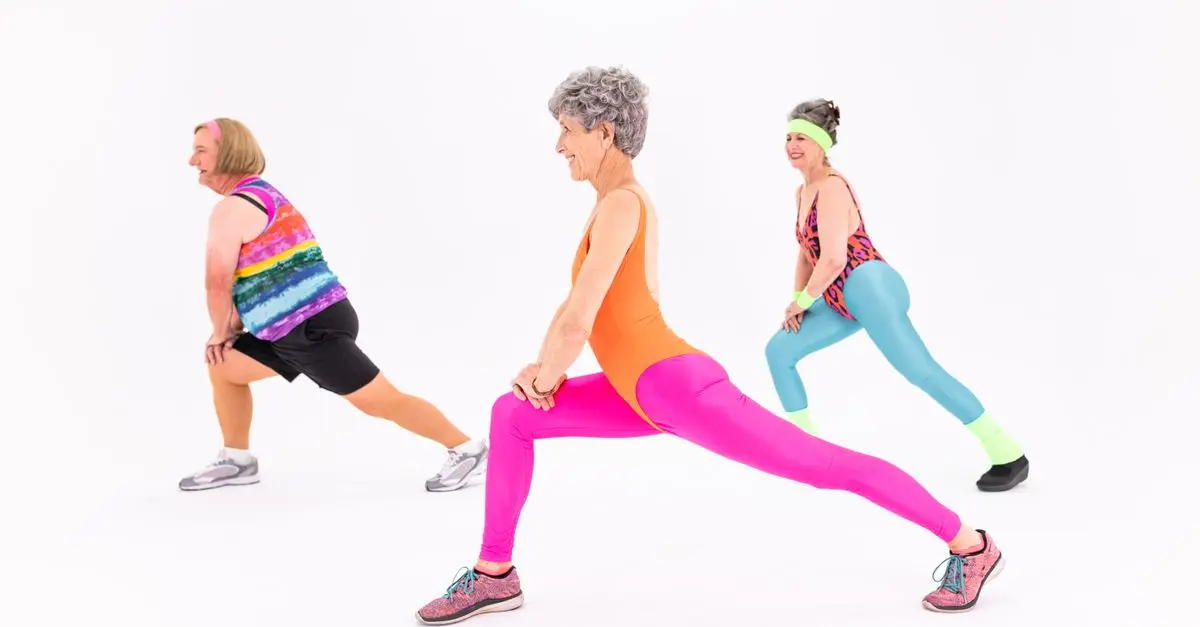
- Aerobics Classes: Organised group workouts that focus on rhythm and movements such as step aerobics, offering social benefits alongside physical health improvements.
- Rowing: Targets major muscle groups, enhancing strength and cardiovascular endurance without putting strain on your joints.
How to Get Started
To begin your aerobic journey, start with activities that suit your fitness level. Gradually increase intensity and duration as your fitness improves. Aiming for at least 150 minutes of moderate aerobic activity each week is recommended by the NHS.
Creating a Routine
Set achievable goals by focusing on consistency rather than perfection. Build a balanced regime by mixing activities to prevent boredom and assess your progress regularly to remain motivated.
Aerobic Exercises Comparison
| Exercise | Intensity | Equipment Needed | Best For | Difficulty |
|---|---|---|---|---|
| Walking | Low | None | Beginners | Easy |
| Running | High | Good Shoes | Weight Loss | Moderate |
| Swimming | Low-High | Pool Access | Full Body Workout | Moderate |
| Cycling | Moderate | Bike | Cardio Fitness | Easy to Moderate |
| Jump Rope | High | Rope | High Intensity | Challenging |
📺 Resource Video
> 📺 To learn more: Effective Aerobic Workouts for Beginners, an in-depth guide on starting aerobic exercises. Search YouTube: best aerobic exercises tutorial.
FAQs
Q: What is the best time for aerobic exercise?
A: Any time that fits your schedule is ideal, but morning workouts can boost energy for the day.
Q: What should I eat before aerobic exercise?
A: Consume a light snack with carbohydrates and protein about 1-2 hours before.
Q: How long should each session last?
A: Aim for a minimum of 30 minutes to effectively improve cardiovascular health.
Q: Is it beneficial to combine different aerobic exercises?
A: Yes, mixing exercises can prevent boredom and work different muscle groups.
Conclusion & Checklist
Aerobic exercises offer countless health benefits, making them a key component of a balanced fitness routine. Integrate various activities into your lifestyle, monitor progress, and adjust as needed. Always consult a healthcare professional if you're unsure about increasing your exercise intensity.
- [ ] Choose an exercise to try each week
- [ ] Set realistic, measurable fitness goals
- [ ] Track progress using a journal or app
- [ ] Mix and match activities for variety
- [ ] Schedule workouts to maintain consistency
- [ ] Invest in proper footwear and equipment if needed
Glossary
| Term | Definition |
|---|---|
| Cardiovascular Endurance | The ability of the heart and lungs to supply oxygen-rich blood to the muscles during physical activity. |
| Metabolic Rate | The rate at which the body burns calories for energy. |
| Endorphins | Chemicals produced by the body to relieve stress and pain, commonly linked to exercise-induced mood improvements. |
🧠 Quiz rapide : What's a benefit of aerobic exercise?
- A) Improves sleep quality
- B) Heightens stress levels
- C) Increases cholesterol
Réponse : A — Aerobic exercise is known for improving the quality of sleep.
This comprehensive guide covers the various aspects of aerobic exercises, illustrating their importance for a healthier lifestyle while offering practical steps to get you started.