Contents (12 sections)
Introduction
Fencing, the elegant sport that combines agility, strategy, and precision, traces back centuries and continues to captivate enthusiasts worldwide. Whether you're drawn by its rich history or the thrill of combat, mastering the basics can be a rewarding journey. In this beginner's guide, we'll delve into fundamental techniques essential for anyone looking to step onto the piste with confidence.
Understanding Fencing
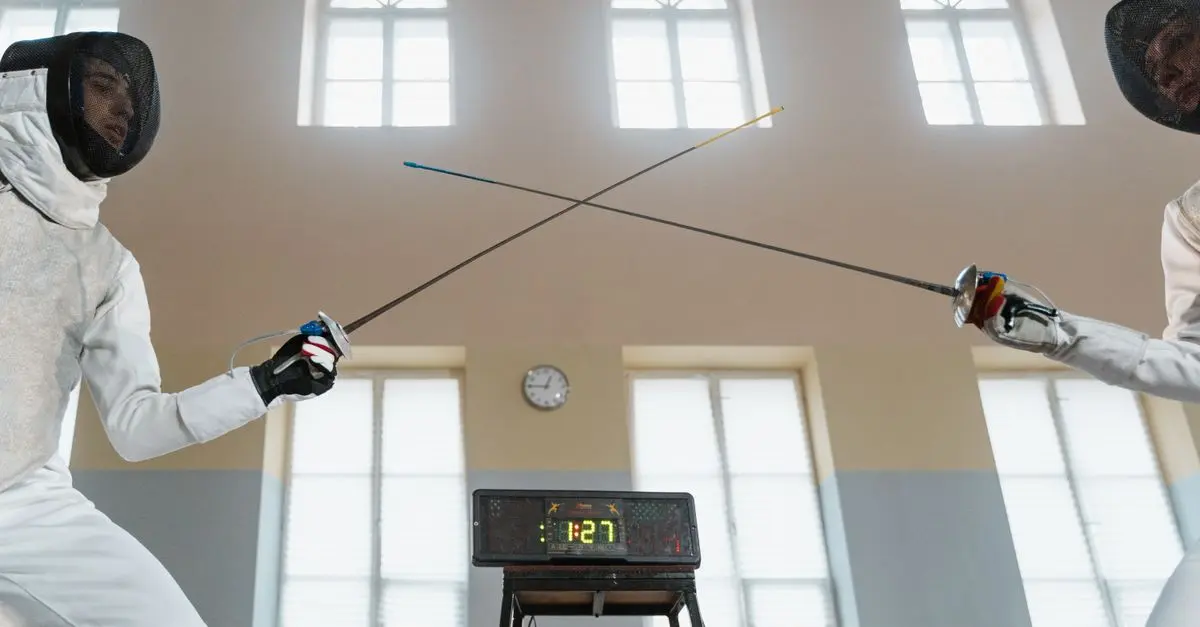
Fencing, often referred to as ‘physical chess’, is a dynamic sport requiring mental acuity and physical agility. There are three main disciplines in fencing: foil, épée, and sabre, each with unique rules and techniques. In fencing, the goal is to score points by hitting your opponent with your weapon while avoiding their attacks. According to British Fencing, fencing not only encourages physical fitness but also enhances cognitive function and discipline. For beginners, understanding these foundations is crucial for progression and enjoyment.
Essential Equipment
Before diving into techniques, having the proper equipment is paramount. You’ll need a fencing mask, jacket, glove, and the appropriate weapon, depending on your chosen discipline. A common mistake is purchasing equipment that doesn't fit properly, which can be uncomfortable and unsafe. As per UFC-Que Choisir, investing in well-fitted gear is crucial for safety and performance. Always seek equipment approved by the International Fencing Federation (FIE) to ensure compliance with safety standards.
Developing Proper Footwork
Footwork is the backbone of fencing. An effective stance, balanced movements, and agility are required to manoeuvre on the piste. Begin with the basic on-guard stance: feet shoulder-width apart, knees slightly bent, dominant foot ahead. Practice advancing and retreating smoothly to control distance and maintain an advantageous position. Novices often overlook the importance of foot placement, leading to instability and reduced efficacy in attacks and defences.
Learning Basic Attacks
The primary forms of attack in fencing include the lunge and the thrust. A well-executed lunge combines accuracy with speed, crucial for successful point scoring. Begin with a simple thrust—extend your arm while maintaining balance, followed by a controlled leap forward, executing a lunge. Remember, accuracy trumps power; focus on precise target engagement. Frequent errors include overextending, leading to loss of balance.
Mastering Defensive Techniques
Just as important as offence is your ability to defend. Key defensive moves include parries and ripostes. A parry is a defensive motion to block or deflect an incoming attack, setting you up for a counter-move called a riposte. Beginners often mistime these actions or fail to anticipate opponent movements. Regular practice enhances reflexes, allowing you to seamlessly transition between attack and defence, integral for controlled bouts.
The Importance of Strategy
Strategy differentiates the novice from the advanced fencer. Beyond physical skills, it’s your tactical mind that determines success. Develop strategies tailored to your strengths while accounting for your opponent's weaknesses. Observational skills and adaptability are key. Analyse opponents in real-time, adjusting tactics as needed. Veteran fencers know that patience and psychological endurance often outweigh brute force.
📺 Resource Video
> 📺 For further exploration: Fencing Techniques and Strategies for Beginners, a comprehensive dive into effective methods and strategies. Search on YouTube: "fencing techniques beginners 2026".
Glossary
| Term | Definition |
|---|---|
| Piste | The official fencing playing area where bouts occur. |
| Riposte | A quick return thrust following a parry in fencing. |
| Parry | A defensive action to block or deflect an opponent's attack. |
Checklist
- [ ] Verify equipment fit and safety compliance.
- [ ] Practice basic footwork daily.
- [ ] Execute lunges with controlled precision.
- [ ] Develop a parry-riposte sequence.
- [ ] Review match footage to enhance strategy.
- What are the three types of fencing weapons?
Each stands out in style: foil, épée, and sabre.
- How do I choose my first fencing weapon?
Start with a foil, as it's best for mastering fundamental techniques.
- Is fencing a safe sport?
Yes, when appropriate safety gear and techniques are employed.
- How often should beginners practice?
Consistent practice, ideally two to three times weekly, fosters progress.
🧠 Quick Quiz: What is the primary goal in fencing?
- A) Outmaneuver opponents
- B) Hit opponents more times
- C) Avoid being hit
Answer: B — Scoring points by hitting opponents while avoiding their attacks is the main goal.