Contents (9 sections)
Introduction to Competitive Archery
Competitive archery is a sport deeply rooted in history, combining skill, precision, and mental acuity. Whether you're an aspiring archer or a seasoned competitor, understanding the basics is essential. Archery involves shooting arrows at a target from a set distance, and competitions can vary in format and rules.
Modern archery competitions, such as those overseen by World Archery Federation, offer disciplines including outdoor target archery, indoor target archery, and field archery. Typically, archers compete for accuracy, competing individually or in teams. Recognised as an Olympic sport since 1900, archery has gained significant popularity, with events hosted globally attracting participants from diverse backgrounds.
Getting Started in Competitive Archery
Before diving in, it's crucial to gain the right equipment and skills. Newcomers should initially focus on selecting appropriate gear, primarily their bow. Recurve bows are commonly recommended for beginners due to their straightforward use and adaptability in competitions. Hoyt and Win & Win offer popular models for all levels.
Begin exploring local clubs or schools, which often provide lessons with necessary equipment and access to professional coaching. Participation in classes helps refine techniques, instilling confidence in your abilities. Moreover, most clubs operate under regulations set by Archery GB, ensuring a safe environment and structured learning path.
Technical Aspects and Techniques
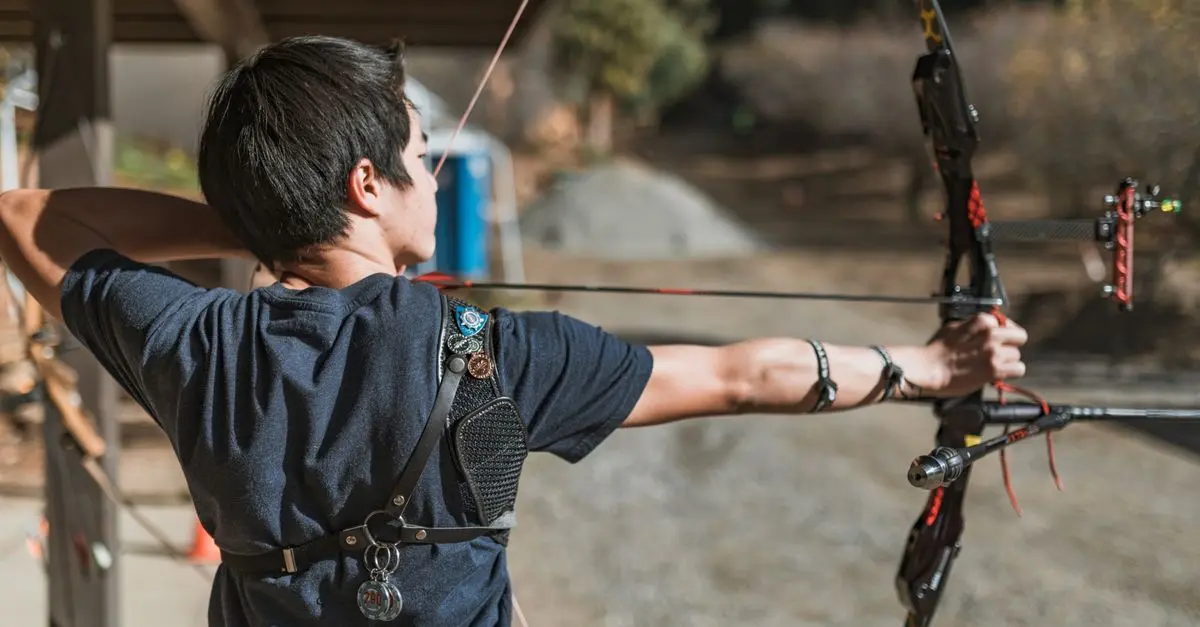
Precision in archery depends on consistent technique and understanding the bow's mechanics. Key focuses include stance, grip, draw, anchor, aim, and release. Each presents unique challenges, and beginners should devote time to mastering these foundations.
- Stance: A balanced position with feet shoulder-width apart offers stability.
- Grip: Keeping a relaxed grip on the bow prevents torque and maintains accuracy.
- Aim: Achieving a clear focus on the target's centre improves precision. Studies show that repetitive practice enhances muscle memory, leading to better performance over time.
The Competitive Scene
Competitive archery includes varying formats like indoor, outdoor, and field archery, each presenting unique challenges like differing distances and target sizes. Outdoor competitions typically involve shooting at distances up to 70 metres, while indoor events occur at 18 metres. Field archery introduces dynamic shooting on varied terrain.
According to World Archery, participation has been steadily increasing, with estimates indicating over 90 countries actively engaged in competitions worldwide. Prestigious events like the World Archery Championships and the Olympic Games provide a platform for archers to demonstrate their skills at the highest level.
📺 Video Resource
> 📺 For more depth: How to Excel in Competitive Archery, a detailed breakdown on advancing in this sport. Search YouTube: "competitive archery tips".
Analytics and Trends
Data surrounding competitive archery indicate a thriving community. Statistics from Archery GB highlight a significant increase in membership, reflecting a 20% growth over the past five years. The sport's engaging nature appeals to a broad demographic, enhancing its global reach.
Moreover, advancements in equipment technology have contributed to performance enhancements, offering increased precision and reliability. Industry reports suggest continual advancements in materials and designs are integral factors attracting newcomers.
| Criteria | Recurve Bow | Compound Bow | Longbow | Verdict |
|---|---|---|---|---|
| Usage Level | Beginner | Intermediate | Expert | Recurve for starters |
| Maintenance | Easy | Moderate | Complex | Recurve wins |
| Competition | Yes | Yes | Limited | Recurve and compound |
| Cost | Moderate | High | Moderate | Recurve most affordable |
FAQs
- What equipment do I need to start competitive archery?
You'll need a bow (recurve recommended for beginners), arrows, arm guard, finger tab, and a quiver.
- Is archery a safe sport?
Yes, when conducted in a regulated environment like clubs approved by Archery GB, archery is very safe.
- How do I join archery competitions?
Start by joining a local archery club and participating in club-level competitions before advancing to larger events.
- What's the best way to improve accuracy?
Focus on consistent practice, mastering foundational techniques such as stance and aiming.
Glossary
| Term | Definition |
|---|---|
| Recurve Bow | A bow with tips that curve away from the archer when unstrung. Common in competitions. |
| Anchor Point | The spot on the face where one draws the bowstring back to before releasing an arrow. |
| Field Archery | This discipline involves shooting on varied terrain with targets at different distances. |
Checklist Before Competition
- [ ] Verify your bow and arrow alignment
- [ ] Conduct a thorough equipment check
- [ ] Practice on regulation-sized targets
- [ ] Review competition rules and guidelines
- [ ] Prepare mentally with focus exercises
🧠 Quiz rapide : [What is the recommended starting bow for beginners?]
- A) Longbow
- B) Recurve Bow
- C) Compound Bow
- Réponse : B — Recurve bows are easier and versatile for beginners.