Contents (10 sections)
Creating a perfect home gym is not only about buying equipment but also about tailoring the space to fit your personal fitness goals. Follow our comprehensive step-by-step guide to ensure your home gym meets all your needs.
Understanding Your Fitness Goals
Before you commence with setting up your home gym, it’s crucial to define your fitness objectives. Are you aiming to lose weight, build muscle, or improve your cardiovascular health? This understanding will help tailor your setup aptly, ensuring you include the necessary equipment and space.
Consider conducting a self-assessment or consulting with a fitness coach to better understand your needs. Research shows that setting specific goals increases your chances of achieving them by 20% compared to vague ambitions. Identifying whether weightlifting or cardio forms the core of your fitness activities will guide your equipment choices.
Choosing the Right Space
Choosing the optimal space for your home gym is vital. The room size and location will dictate the type of equipment you can accommodate. For instance, if space is limited, opt for versatile equipment like resistance bands and adjustable dumbbells.
Ensure the area has good ventilation and sufficient lighting. Natural light can enhance the workout experience and keep you motivated. Position your home gym in a low-traffic area to minimise distractions. If possible, leave room for flexibility as your needs and equipment might expand over time.
Selecting Essential Equipment
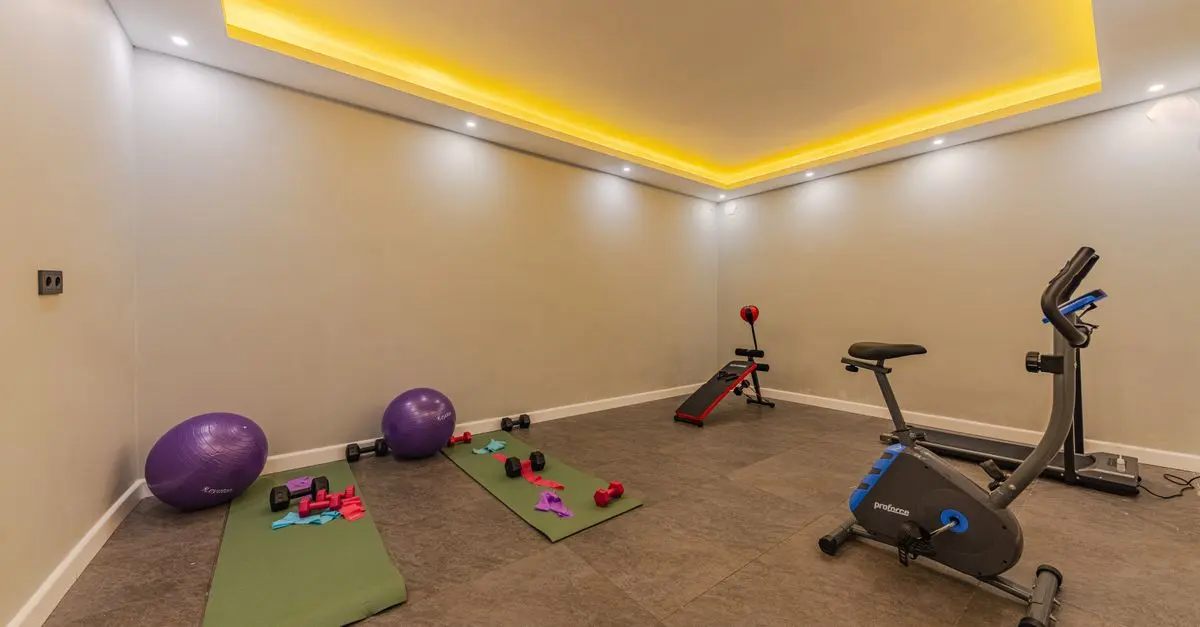
Selecting the right equipment depends heavily on your fitness goals. Prioritise quality over quantity. Start with essentials like a yoga mat, dumbbells, or a kettlebell, which cater to multiple exercises, and expand as you progress.
Invest in equipment that serves multiple purposes to maximise space efficiency. For example, a bench can be used for strength training exercises as well as cardio workouts. Also, explore second-hand options to save money while maintaining quality—a practical tip recommended by many experienced home gym enthusiasts.
Optimising Layout and Safety
An optimal layout not only facilitates a smooth workout flow but also ensures safety. Arrange your equipment ergonomically, allowing space to move freely and perform exercises without obstruction. Secure heavier items to prevent tipping or imbalance issues.
Proper flooring is crucial; invest in thick rubber mats to protect the floor and reduce noise. Ensure your setup meets safety standards by regularly checking and maintaining equipment. Avoid overloading your gym with equipment, a common mistake that can lead to clutter and accidents.
Incorporating Technology
Today's home gyms can be enhanced with the latest technology, making workouts more engaging and effective. Incorporate a fitness app that tracks progress and offers workout routines tailored to your goals. Consider installing a wall-mounted screen for virtual workout sessions.
Wearable technology, like fitness trackers, provides real-time feedback on your performance, helping you make informed adjustments. According to reports by UFC-Que Choisir, technology integration in fitness routines resulted in a noticeable increase in adherence rates.
Storage and Maintenance
To maintain a clutter-free environment, incorporate effective storage solutions. Use wall-mounted shelves or storage bins for small items. Keep your gym organised to create a welcoming atmosphere and encourage regular use.
Regular maintenance of your equipment is essential to prolong its lifespan. Dust and clean machines frequently and check for any functional issues periodically. A well-maintained gym ensures safety and optimal performance.
📺 Resource Video
📺 For further insights: Home Gym Setup Tips and Tricks offers a comprehensive look into efficient layouts and equipment choices. Search on YouTube:
home gym setup techniques
Glossary
| Term | Definition |
|---|---|
| Cardiovascular | Relating to the heart and blood vessels; aerobic exercises aim to improve this system. |
| Resistance Bands | Elastic bands used for strength training exercises and physical therapy. |
| Ergonomic | Designed to provide maximum comfort and avoid strain or injury. |
- [ ] Define clear fitness goals
- [ ] Choose a suitable space with ample ventilation
- [ ] Select multi-purpose equipment
- [ ] Arrange equipment ergonomically
- [ ] Integrate technology for enhanced workouts
🧠 Quiz rapide : Which equipment is ideal for small spaces?
- A) Treadmill
- B) Resistance Bands
- C) Bench Press
Réponse : B — Resistance Bands are versatile and space-saving.