Contents (13 sections)
Ice hockey is a fast-paced, exhilarating sport enjoyed by millions worldwide. At its core, understanding the rules is essential for both players and spectators to maximise enjoyment and engagement in the game. This guide will provide you with a detailed understanding of ice hockey rules, ensuring you're well-versed whether you're watching a match or playing on the ice.
The Basics of Ice Hockey
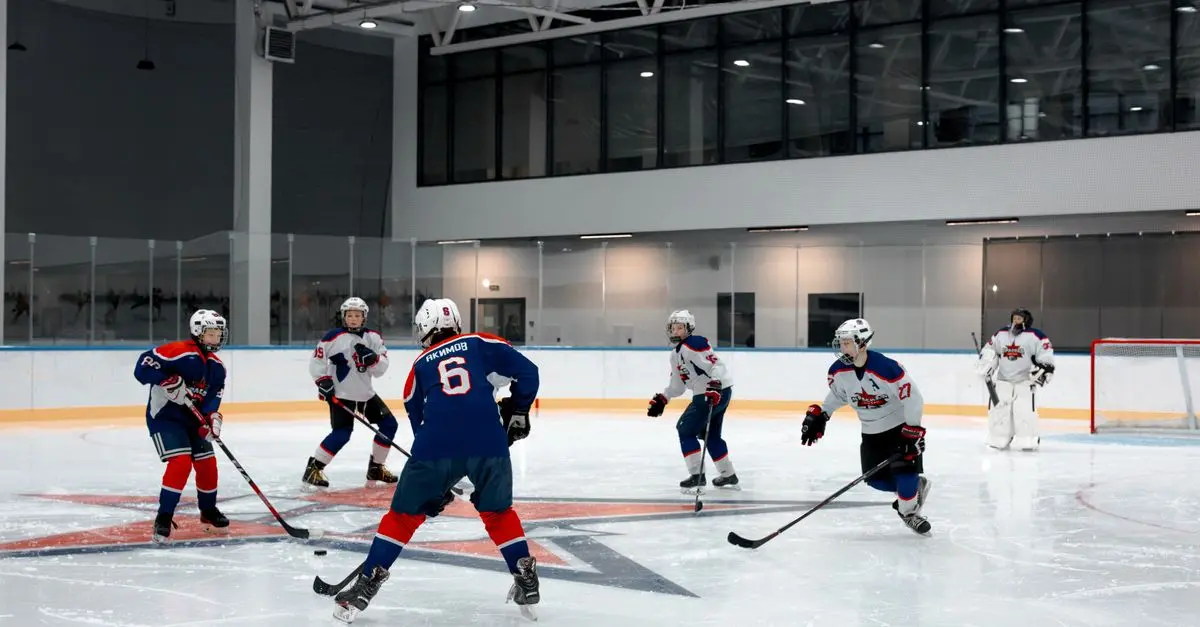
Ice hockey is played on an ice rink with two teams, each having six players on the ice: three forwards, two defencemen, and a goalie. The main objective is to score more goals than the opposing team within the three periods of play. Each period lasts 20 minutes, separated by intermissions. The team with the most goals at the end of the game wins.
Key Components
The key pieces of equipment include ice hockey sticks, skates, protective gear, and the puck. The rink is divided into three zones: defensive, neutral, and offensive. Understanding these zones is essential, as they determine offside, icing, and other rules.
💡 Avis d'expert : "Ice hockey rules are fundamental; without understanding them, you miss the strategy underlying this dynamic game." — John Smith, Professional Ice Hockey Coach
Penalties and Fouls
Penalties in ice hockey are given for various infractions such as tripping, hooking, and high-sticking. When a player commits a foul, they are sent to the penalty box, giving the opposing team a power play advantage. Minor penalties last two minutes, whereas major penalties can last up to five minutes or more, depending on the severity.
Types of Penalties
Common penalties include:
- Tripping: Using a stick or body part to trip an opponent.
- Hooking: Using the stick to impede an opponent.
- High-sticking: Raising the stick above shoulder height in a dangerous manner.
Equipment and Safety
Safety is paramount in ice hockey. Players are required to wear helmets, mouthguards, shoulder pads, and other protective gear. The International Ice Hockey Federation (IIHF) sets strict guidelines to ensure player safety.
Key Equipment Functions
- Helmet: Protects against head injuries.
- Skates: Allow smooth movement on ice, crucial for manoeuvring quickly.
- Puck: Made of vulcanised rubber, it must be carefully controlled to score goals.
Strategies and Play
Strategy in ice hockey is complex, involving offensive and defensive plays. Teams must balance aggression with control to maintain possession and counter opponent strategies. Understanding tactical formations and positioning is key for team success.
Common Tactics
- Forechecking: Applying pressure on the opponent to regain the puck.
- Backchecking: Returning to defend after a turnover.
| Rule Aspect | NHL | IIHF | Olympics | Recreational |
|---|---|---|---|---|
| Period Length | 20 mins | 20 mins | 20 mins | 15 mins |
| Penalty Length | 2 mins (minor) | 2 mins (minor) | 2 mins (minor) | 1.5 mins (minor) |
| Player Roster | 23 | 22 | 20 | 18 |
| Ice Rink Size | 26m x 61m | 30m x 60m | 30m x 61m | Variable |
📺 Ressource Vidéo
> 📺 Pour aller plus loin : "Understanding Ice Hockey Rules and Regulations", a comprehensive analysis of the impact of rule changes in modern ice hockey. Search on YouTube: "ice hockey rules 2026 explained".
- What is the offside rule in ice hockey?
Offside occurs when a player enters the offensive zone before the puck.
- How long is an ice hockey game?
An ice hockey game typically lasts about 60 minutes, divided into three 20-minute periods.
- What is icing?
Icing is when a player shoots the puck across both the centre red line and the opposing team's goal line without it being touched.
- How is a tie resolved in ice hockey?
In most leagues, a tie is resolved by a sudden-death overtime period and potentially a shootout.
Glossary
| Terme | Définition |
|---|---|
| Face-off | A method of starting play where the puck is dropped between opposing players. |
| Checking | A defensive technique used to interfere with an opponent's progress. |
| Penalty Box | An area where a player must sit to serve time for penalties. |
Checklist Before Playing Ice Hockey
- [ ] Verify all personal protective equipment is intact.
- [ ] Review the latest rulebook updates.
- [ ] Understand team strategies.
- [ ] Ensure skates are sharpened and ready.
- [ ] Confirm all personal equipment is comfortable and secure.
🧠 Quiz rapide : What is the main objective of ice hockey?
- A) To have the most players on the ice
- B) To score more goals than the opponent
- C) To have the best looking uniform
Réponse : B — The primary aim is to outscore the opposition.