
Contents (12 sections)
Choosing the best sport activity for your lifestyle can be a transformative experience, enhancing your physical well-being and mental health. Whether you are looking to join a team, work out solo or find an activity to enjoy with family, several factors should guide your decision. This practical guide will explore essential steps to help you identify the sport that best suits your needs and lifestyle.
1. Assess Your Current Fitness Level and Interests
Before diving into a new sport, it's crucial to evaluate your current fitness level and personal interests. Are you a seasoned athlete, or have you just begun your fitness journey? Knowing where you stand can significantly influence your choice. For instance, if you are already active but seeking a new challenge, you might consider sports like rock climbing or martial arts, which offer more intensity.
On the other hand, if you are just starting, gentler activities like cycling or swimming may be more appropriate. Additionally, think about what you enjoy. Participating in a sport you love will make it easier to stay committed. Consider trying different classes or sports to find what energises you. Tools like fitness apps can help track your interests and progress, enabling a more informed decision-making process.
2. Consider Your Schedule and Availability
Time constraints are a reality for many of us. When choosing a sport activity, evaluate your weekly schedule and determine how much time you can realistically commit. For instance, if you have a hectic work schedule, it may be more supportive to choose an activity that requires less frequent sessions, such as jogging or home workouts, rather than team sports that operate on a fixed schedule.
Be honest with yourself about what you can manage. Activities such as yoga or Pilates offer a flexible timetable as you can find online classes or local studios that work around your availability. It’s also worth exploring sports that can be incorporated into your daily routine, such as walking or cycling to work, which can be beneficial for both health and time management.
3. Identify Your Goals and Motivations
Defining your fitness goals is a key component in selecting a suitable sport activity. Are you looking to lose weight, build muscle, improve endurance, relieve stress, or simply have fun? Each goal may align well with specific activities. For example, if weight loss is your aim, high-intensity sports like running, cycling, or group fitness classes can be effective.
Conversely, if your primary goal is social interaction and enjoyment, consider recreational sports such as football, basketball, or dance. Taking the time to articulate your objectives can help streamline your choices and lead to a more fulfilling experience. Don't hesitate to adjust your goals as you explore different activities; your priorities may evolve as you engage more.
4. Evaluate Environment and Resources
The environment in which you plan to engage in sports plays a significant role in your decision. Do you prefer indoor activities during winter, or do you thrive outdoors? If you’re drawn to nature, hiking or kayaking can be excellent options. Conversely, joining a gym or a sports club might appeal to you if you prefer a structured environment.
Furthermore, assess the resources available to you. If budget constraints influence your choice, consider low-cost or free alternatives—walking or jogging can be done anywhere without the need for expensive equipment. Alternatively, explore community sports leagues or classes that provide affordable options to stay active while meeting new people.
5. Research Options and Compare
With an overview of your interests, schedule, and goals, begin researching sport options. Look for community resources, clubs, or fitness classes in your area. Compare different activities based on factors such as accessibility, cost, and commitment requirements.
Here is a comparative table of common sport activities:
| Activity | Commitment Level | Cost | Social Interaction | Verdict |
|---|
6. Try It Out and Evaluate
Once you’ve narrowed down your options, the best approach is to give a couple of activities a try. Many gyms and studios offer trial classes or introductory sessions, which allow you to experience the sport without committing long-term. Pay attention to how you feel physically and emotionally during and after each activity.
Reflecting on your experiences will be vital. Did you enjoy the atmosphere? Were the instructors supportive? Did you feel motivated? These insights can help you make a more informed decision.
7. Stay Flexible and Reassess Regularly
Choosing the best sport activity is not an end-point but an ongoing journey. As your life circumstances change, so may your sport preferences or needs. Therefore, regularly reassess your choices. Don’t hesitate to switch activities if your circumstances require it or if your interests shift. Embrace the evolution of your fitness journey, and keep an open mind about exploring new options.
💡 Expert Opinion: Keeping your physical activity enjoyable and aligned with your lifestyle will significantly enhance your likelihood of sticking with it long-term. Regularly mixing up your routine can also protect against boredom and plateaus.
Best Practices and Checklist
- [ ] Evaluate your current fitness level.
- [ ] Identify your sport interests.
- [ ] Assess your time availability.
- [ ] Define your fitness goals.
- [ ] Research and compare options.
- [ ] Try different activities before commitment.
- What sport should I choose if I’m a complete beginner?
Consider low-impact activities like swimming or yoga to start with ease.
- How often should I engage in my chosen sport?
Aim for at least 150 minutes of moderate-intensity exercise weekly, adjusted to fit your lifestyle.
- Can I switch sports once I've started?
Absolutely! It's important to reassess your interests and goals as you progress. It's about enjoyment and health first.
- What should I do if I lose motivation?
Try mixing up your routine or exploring a new sport to rekindle your interest. Group activities can also re-energise your efforts.
Glossary
| Terme | Définition |
|---|
| Endurance | Capacité à maintenir une activité physique sur une durée prolongée.
| Cardio | Activité physique qui rapproche le cœur, comme la course ou le vélo.
| Flexibilité | Capacité à étirer les muscles sans douleur, essentielle pour éviter les blessures.

Samsung Galaxy Watch4 Classic 3.05 cm (1.2") OLED 42 mm Digital 396 x 396 pixels Touchscreen 4G Black Wi-Fi GPS (satellite)
Back to the Office

Samsung Galaxy Watch4 Classic 3.05 cm (1.2") OLED 42 mm Digital 396 x 396 pixels Touchscreen 4G Silver Wi-Fi GPS (satellite)
Back to the Office

ASUS VivoWatch SP (HC-A05) 3.05 cm (1.2") LCD 46.5 mm Digital Touchscreen Black GPS (satellite)
Back to the Office
📺 Resource Video
> 📺 For Further Learning: How to Choose the Right Sport Activity for You, a comprehensive guide to analysing your needs. Search on YouTube: choose best sport activity 2026.
Discover our selected products below to aid your new journey into sports!
📺 Pour aller plus loin : how to choose the best sport activity 2026 sur YouTube
Recommended products
Selected by our experts


Huawei WATCH FIT 3 4.62 cm (1.82") AMOLED 43.2 mm Digital 408 x 480 pixels Touchscreen Gold Wi-Fi GPS (satellite)
Back to the Office
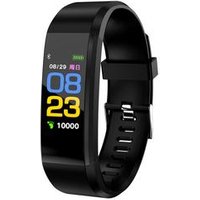
2019 Brand New Color screen heart rate monitor Sports bracelet Waterproof Fitness Activity Tracker Smart Watch 115 Plus
Alibaba UK