Contents (14 sections)
Introduction
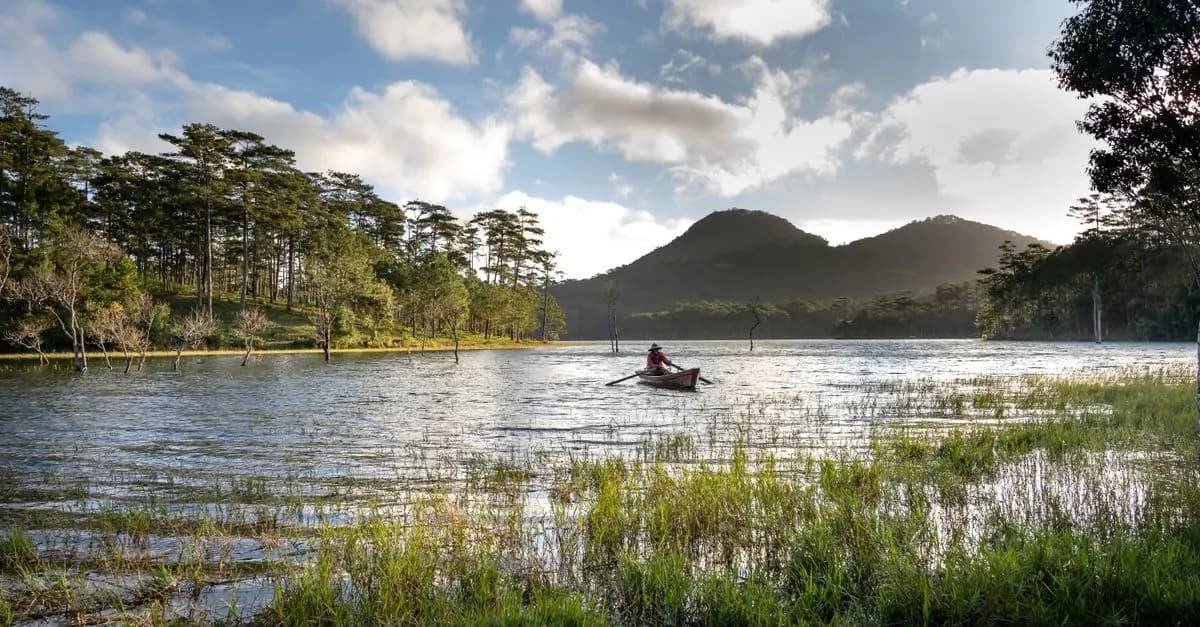
Canoeing offers a peaceful escape and a chance to connect with nature. Whether you're gliding through serene lakes or navigating rivers, mastering the basics of canoeing will enhance your experience and ensure your safety. This guide will take you through essential steps to become a competent canoeist.
Step 1: Selecting the Right Equipment
Choosing the right canoe is crucial. There are different types like recreational canoes for calm waters and whitewater canoes for more challenging conditions. Consider factors such as stability, capacity, and material. For beginners, a wider and more stable canoe is advisable. Don't forget a paddle; the length should complement your height and the canoe's width.
💡 Expert Tip: Check online reviews and consult experienced canoeists to select reliable brands.
Step 2: Understanding Safety Measures
Safety is paramount in canoeing. Always wear a personal flotation device (PFD), and ensure it fits snugly. Carry a whistle and a throw line for emergencies. Familiarise yourself with basic rescue techniques and consider enrolling in a canoeing safety course. Being prepared can be life-saving.
📺 Resource Video
> 📺 For more insights: Watch 'Essential Canoeing Safety Tips' for an in-depth look at safety practices. Search YouTube: "Essentials of Canoeing Safety 2026".
Step 3: Learning Basic Techniques
Gain confidence with basic canoeing skills such as the forward stroke, backstroke, and J-stroke. The forward stroke propels you, while the J-stroke course-corrects the canoe's path. Practise these strokes close to the shore under calm conditions to build proficiency.
Step 4: Planning Your Canoe Trip
Careful planning maximises enjoyment and safety. Check the weather forecast, map your route, and inform someone of your itinerary. On multi-day trips, pack necessary supplies, including food, water, and a first-aid kit. Understanding the local wildlife and potential hazards is also vital.
Step 5: Mastering Maneuvering Techniques
Learning how to steer your canoe properly is key. The draw stroke pulls the canoe sideways, while the pry stroke pushes it. Practising these will help you navigate obstacles and maintain a steady course.
🧠 Quiz Quick: Which stroke helps correct the canoe’s path?
- A) Forward Stroke
- B) J-Stroke
- C) Pry Stroke
Answer: B — The J-Stroke helps correct the canoe’s path.
Step 6: Anticipating Weather and Environmental Factors
The environment affects your canoeing experience. Before setting out, gauge the wind direction and water currents. Avoid areas prone to strong winds, especially if you’re inexperienced. Consider carrying a lightweight tarp for unexpected rain.
Step 7: Practising Regularly
Consistency is key to mastering canoeing. Regular practice enhances your skills and builds muscle memory. Join local canoe clubs to meet other enthusiasts, participate in group paddles, and gain valuable tips.
Comparative Analysis of Canoe Types
| Criteria | Recreational Canoe | Whitewater Canoe | Touring Canoe |
|---|---|---|---|
| Stability | High | Moderate | Moderate |
| Speed | Moderate | High | High |
| Capacity | 2-3 Persons | 1 | 1-4 Persons |
| Terrain | Calm Waters | Rapids | Long Distances |
Glossary
| Term | Definition |
|---|---|
| J-Stroke | A technique used to correct the canoe's course. |
| Throw Line | A rescue tool used to assist someone in water. |
| Personal Flotation Device (PFD) | A life-saving garment worn on water. |
Checklist Before Canoeing
- [ ] Choose a stable canoe for beginners.
- [ ] Ensure all safety gear is present.
- [ ] Practise basic and advanced strokes.
- [ ] Inform someone about your canoeing plan.
- [ ] Check for environmental conditions.
Conclusion & Call to Action
By mastering the basics of canoeing, you open doors to endless adventures and tranquil experiences. Don't stop here. Keep practising and expand your skills. Join a canoeing community, sign up for advanced courses, and explore new waters.
Embark on your canoeing journey today and experience the freedom of paddling across water bodies.