Contents (13 sections)
Table of Contents
Introduction to Rock Climbing Gear
Rock climbing is more than just a sport; it's a blend of focus, skill, and proper equipment. Rock climbing gear is pivotal in ensuring not only your safety but also enhancing your climbing performance. The choice of gear can vary depending on whether you're climbing indoors on a climbing wall or outdoors on a rugged cliff. With the right gear, you can tackle any rock face confidently, knowing you're prepared for the challenges ahead.
The Importance of a Quality Harness
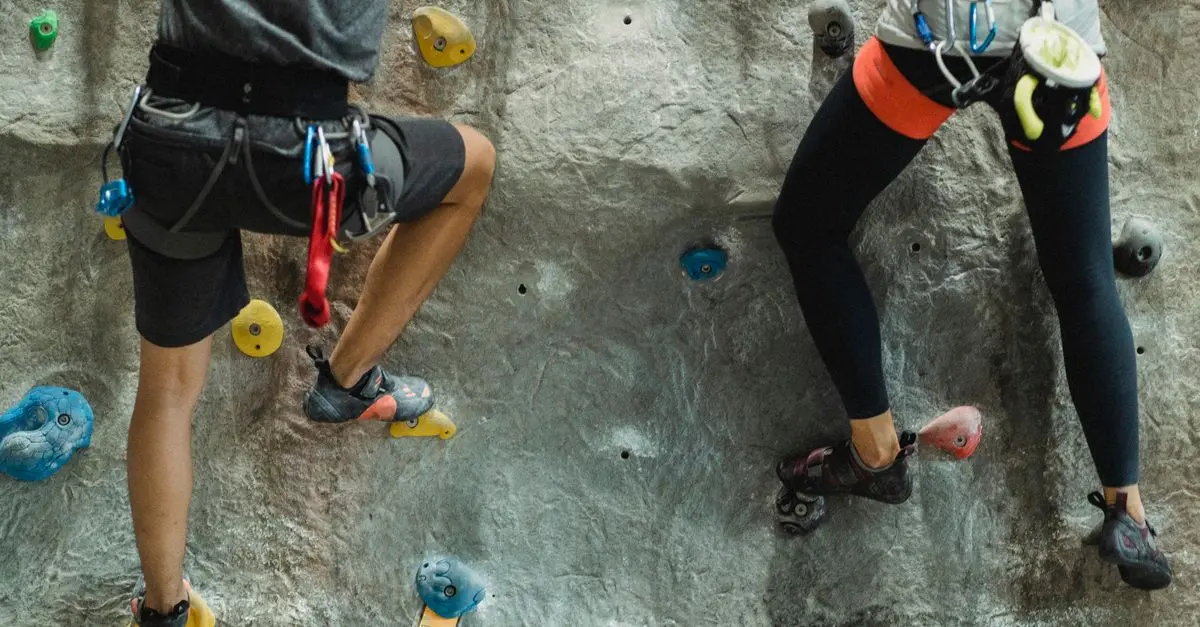
A harness is the most crucial part of your climbing gear. It forms the core connection between you and the rope. Look for a harness that offers adjustable leg loops and a well-padded waistbelt for comfort. Popular brands like Black Diamond and Petzl offer robust options. A proper fit prevents pinch points and discomfort during climbs. Always double-check the buckles to ensure they are secure. Remember, a good harness is one you'll hardly notice when wearing.
Choosing the Right Climbing Shoes
Your climbing shoes are your primary contact with the rock face. They should fit snugly but not so tight as to cause discomfort. Materials like leather tend to stretch, so consider this when choosing the size. Opt for shoes with a sturdy sole and a pointed toe for precision in footholds. La Sportiva and Scarpa provide shoes that cater to various climbing styles, whether it’s sport climbing, bouldering, or multi-pitch climbs.
Why Helmets Are Non-negotiable
Helmets are essential, especially for outdoor climbing. They protect your head from falls and any potential rockfall. Choose a helmet that balances weight and durability. Ventilation is vital for comfort in warm conditions. Brands such as Black Diamond and Petzl offer a variety of options with adjustable fit systems. Your helmet should fit snugly without restricting movement. Always wear it from the moment you leave the ground.
Ropes: Lifeline of Climbing
The rope is your lifeline when climbing. Dynamic ropes, known for their stretch, are ideal for most climbing situations. It's essential to recognise the diameter of the rope - thinner ropes are lighter but require more skill to handle. According to UFC-Que Choisir, investing in a UIAA certified rope ensures you meet international safety standards. Regular inspection of your rope for wear and tear is non-negotiable.
Importance of Carabiners
Carabiners are connectors in your climbing system, often used with quickdraws, to link your rope to bolts. They come in various shapes and sizes, like D-shape or oval, each suited to specific purposes. Look for options with a locking mechanism for added security. According to Les Numériques, Grivel and Wild Country produce reliable models. Test the gate to ensure easy operation under load.
Chalk and Chalk Bag for Grip
Chalk is vital for moisture management and grip enhancement on the rock surface. Bags should be easy to access and securely attachable to your harness. Liquid chalk is also available for those long days on the cliff, offering lasting performance without frequent reapplication. Black Diamond offers eco-friendly options that align with sustainable climbing practices.
Belay Device: Controlled Descent
Belay devices are crucial for controlling the rope when you're belaying a partner or descending. Tube-style devices are common for their versatility. Ensure it matches the diameter of your rope for optimum braking. Auto-locking devices are recommended for beginners as they provide added safety measures. ATC Guide from Black Diamond is highly regarded for its reliability and ease of use.
Harnessing the Power of Quickdraws
Quickdraws are essential for sport climbing, providing a connection between your rope and anchor points. A quickdraw set typically comprises two carabiners linked by a sewn sling. Opt for a set that is lightweight yet durable to withstand repeated stress. According to expert reviews, longer quickdraws reduce rope drag, crucial for those extended climbs.
📺 Ressource Vidéo
> 📺 Pour aller plus loin : Rock Climbing Essentials 2026, a comprehensive guide to essential climbing gear. Recherchez sur YouTube : "rock climbing essentials 2026".
Checklist
- [ ] Secure a dependable harness
- [ ] Ensure climbing shoes fit snugly
- [ ] Verify helmet comfort and fit
- [ ] Inspect the quality of ropes
- [ ] Choose reliable carabiners
- [ ] Ensure chalk bag is accessible
- [ ] Select a suitable belay device
- [ ] Confirm quickdraws set is adequate
Glossaire
| Terme | Définition |
|---|---|
| Belay | The process of protecting a climber from falling using a rope. |
| Carabiner | A metal loop with a spring-loaded gate used in climbing. |
| Dynamic Rope | A type of rope designed to stretch under load to absorb impact in a fall. |
> 🧠 Quiz rapide : Which piece of gear is considered the primary connection between a climber and the rope?
> - A) Belay device
> - B) Harness
> - C) Quickdraws
> Réponse : B — A harness is crucial as it directly connects the climber to the rope, ensuring safety and support.