Contents (11 sections)
Welcome to your ultimate guide on weightlifting safety tips. Whether you're a novice or a seasoned lifter, ensuring your safety is crucial. Let's explore how you can safely and effectively perform weightlifting exercises.
Understanding Weightlifting Safety
Weightlifting is an incredible way to enhance physical strength and endurance. However, improper techniques can lead to injuries. The importance of safety in weightlifting involves understanding the correct forms, using the right equipment, and maintaining a stable environment. According to a study by NHS UK, one of the most common causes of sports injuries is inadequate warm-up and poor technique, highlighting the importance of our safety-first approach.
Step 1: Proper Warm-Up
A thorough warm-up is vital before engaging in any weightlifting activity. It prepares your muscles, increases your heart rate, and helps reduce the risk of injury. Begin with 5-10 minutes of light aerobic activity, such as jogging or cycling, to elevate your body temperature. Follow this with dynamic stretches targeting major muscle groups: arms, legs, and core. Many professional lifters also recommend incorporating mobility exercises specific to the weightlifting routine you will perform. Remember, a rushed warm-up is as good as no warm-up, so take your time.
Step 2: Master the Technique
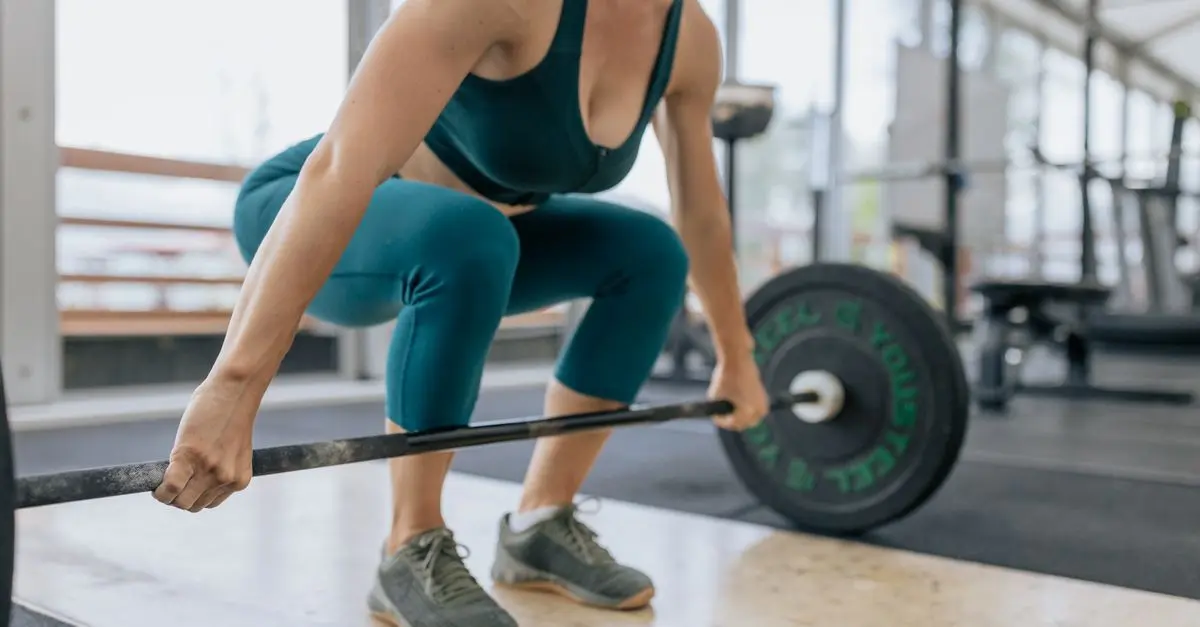
Mastering the correct technique is non-negotiable when it comes to weightlifting. It not only optimises performance but also minimises the risk of injury. Allocate time to learn the fundamentals of each lift. Consider sessions with a qualified instructor or consultation of reputable resources. According to British Weightlifting, maintaining a neutral spine, engaging the core, and ensuring knees track over the toes are key technical insights. Avoid rushing through sets without proper understanding, as incorrect form is a common cause of injuries.
Step 3: Choose the Appropriate Weight
Selecting the right weight is crucial for safety. Start light and gradually increase once comfortable with the technique. Lifting beyond your ability can strain muscles and joints, causing significant injury. A good rule of thumb endorsed by Strength and Conditioning Research suggests using weights that allow you to complete your routine with 'good form', keeping the last few reps challenging but achievable. If unsure, seek professional advice or use weightlifting calculators available online for guidance.
Step 4: Use Safety Equipment
Safety equipment is your ally in weightlifting. Utilise lifting belts to support the lower back during heavy lifts, wrist straps for better grip, and knee sleeves for joint protection. Regular inspection of equipment ensures it remains in good condition; worn or damaged gear should be replaced immediately. By integrating appropriate safety measures, as advised by professionals in the fitness industry, you reduce the possibility of injury significantly.
Step 5: Maintain Focus and Form
Concentration is key. Avoid distractions and maintain focus throughout your workout. Locking into a routine enables you to maintain consistent form, which is imperative for preventing injury. Avoid jerky movements or twisting, as these can lead to muscle strains. Consider working with a 'spotter' or training partner to offer support where needed, especially for heavier sets.
Step 6: Cool Down Properly
Conclude your training session with a cool-down routine to aid recovery and prevent muscle stiffness. Engage in 5-10 minutes of light cardio, followed by static stretching targeting all major muscle groups. Fitness experts often emphasise the role of cool-downs in gradually lowering heart rate and aiding in effective recovery.
📺 Resource Video
> 📺 For a deeper understanding: Advanced Weightlifting Techniques, a comprehensive dive into mastering form and technique. Search on YouTube: "advanced weightlifting techniques 2026".
Glossary
| Term | Definition |
|---|---|
| Dynamic Stretches | Movements where joints and muscles go through a full range of motion. |
| Static Stretches | Constant tension on a muscle to elongate it over time for flexibility. |
| Spotter | A person who assists in the execution of a lift to ensure safety. |
Checklist for Safe Weightlifting
- [ ] Warm up for at least 10 minutes
- [ ] Check proper technique
- [ ] Start with manageable weights
- [ ] Use appropriate safety gear
- [ ] Ensure post-training cool down
🧠 Quiz rapide : What is the importance of maintaining proper weightlifting form?
- A) Increased efficiency
- B) Safety and injury prevention
- C) Faster results
Réponse : B — Maintaining proper form ensures safety and reduces injury risk.