Contents (14 sections)
Strength training at home is a practical and effective way to build muscle and improve endurance without needing a gym membership. With the right techniques and guidance, you can achieve your fitness goals from the comfort of your home. Here’s a step-by-step guide to help you get started.
Understanding Strength Training
Strength training involves exercises that enhance muscular strength and endurance. Typically, you use resistance, such as free weights, resistance bands, or even your body weight. According to the NHS, engaging in strength exercises at least two days per week can significantly improve your health. It’s crucial to recognise the importance of progressive overload—gradually increasing your weights or resistance to improve.
Step 1: Setting Up Your Space
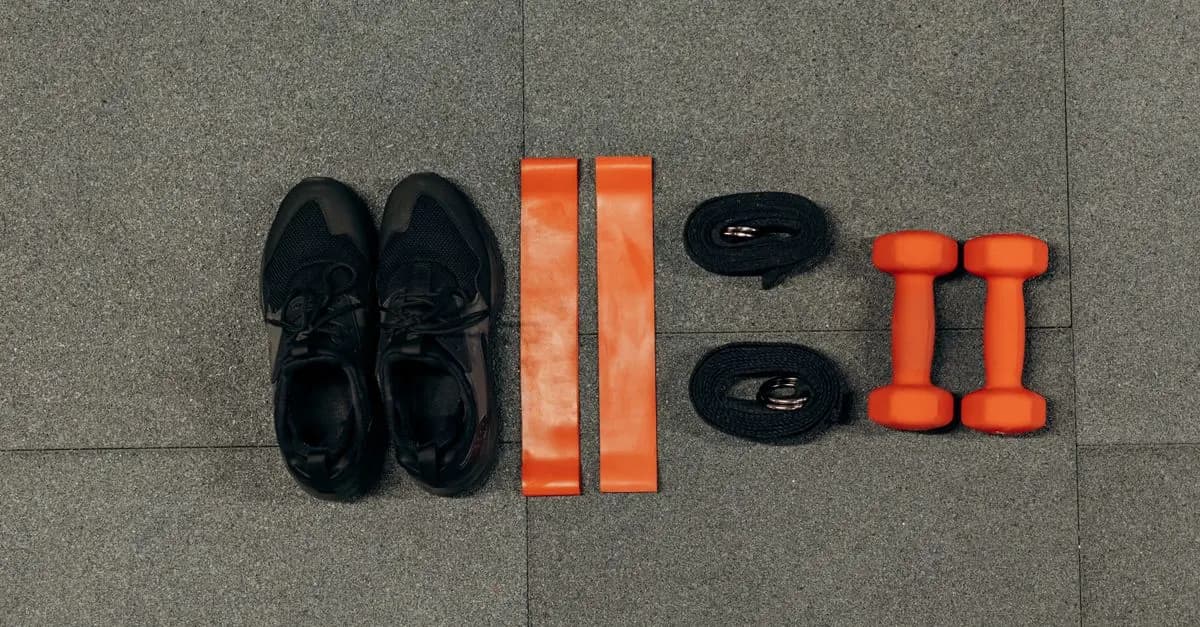
Create an area dedicated to your workouts. This space should allow free movement to perform various exercises like squats, push-ups, or lunges. Consider the flooring; a non-slip mat can prevent accidents. Start with minimal equipment like a set of dumbbells and resistance bands, which are versatile for numerous exercises. As you advance, you might invest in a bench or a pull-up bar.
Step 2: Choosing the Right Equipment
Choosing the right equipment is essential for effective home workouts. Dumbbells, kettlebells, and resistance bands are affordable and easily stored. For beginners, adjustable dumbbell sets offer the best value since they occupy less space and provide multiple weight levels. Always opt for quality equipment to ensure safety and longevity.
Step 3: Crafting Your Routine
Start with a balanced routine targeting different muscle groups. A typical week might include exercises targeting the upper body, lower body, and core. Use resources like BodyBuilding.com for sample workouts. Ensure your routine varies in form and intensity to offer ample challenge without risking injury. Integrate movements like your basic squat, lunge, and push-up.
Step 4: Focus on Technique
The right technique ensures efficacy and prevents injury. Focus on posture and controlled movements. For instance, when squatting, keep your chest up and weight through your heels. Resources online like YouTube tutorials can provide demonstrations of proper form. If you’re unsure, consider virtual consultations with personal trainers.
📺 Resource Vidéo
📺 Pour aller plus loin : Strength Training for Beginners, a comprehensive guide to starting strength training at home. Search on YouTube: "strength training at home beginner guide".
Step 5: Tracking Progress
Keep a journal of workouts to monitor progress over time. Record weights, reps, and any personal feedback. This creates a tangible record, making it easier to notice trends or plateaus. Apps like MyFitnessPal provide easy ways to track these metrics.
Step 6: Recovering and Rest
Allow muscles time to recover with proper rest days. Muscles grow not during workouts but in the recovery phase. Integrate rest days, and consider incorporating stretching or yoga to maximise flexibility and reduce soreness. Active recovery helps maintain activity levels without heavy strain.
Comparative Analysis of Equipment
| Equipment Type | Cost | Space Required | Versatility | Durability |
|---|---|---|---|---|
| Dumbbells | Moderate | Low | High | High |
| Kettlebells | Moderate | Low | High | High |
| Resistance Bands | Low | Minimal | Moderate | Moderate |
- What is the best equipment for strength training at home?
The best options include dumbbells, kettlebells, and resistance bands due to their versatility and space efficiency.
- How often should I do strength training at home?
Aim for at least two sessions per week, avoiding consecutive days for the same muscle group.
- Can I build muscle without a gym?
Definitely. With progressive overload and varied exercises, muscle growth can be achieved at home.
- What if I don’t have equipment?
Bodyweight exercises like push-ups, planks, and squats are excellent for strength training without any equipment.
Glossary
| Terme | Définition |
|---|---|
| Progressive Overload | Gradually increasing resistance to build strength. |
| Active Recovery | Engaging in low-intensity activities on rest days. |
| Kettlebells | Weights with a handle, allowing dynamic movements. |
- [ ] Set up a designated workout space
- [ ] Choose essential equipment like dumbbells
- [ ] Design a balanced strength training routine
- [ ] Focus on mastering exercise techniques
- [ ] Track your workout progress consistently
🧠 Quick Quiz: What is essential for muscle growth?
- A) Cardio
- B) Rest and Recovery
- C) Dieting
Answer: B — Rest and recovery are vital for muscle repair and growth.
Conclusion
Strength training at home can be as effective as going to the gym, provided you are dedicated and follow the right techniques. With this guide, you can embark on a safe and productive fitness journey.