Contents (15 sections)
Indoor rock climbing offers a controlled environment for climbers to hone their skills regardless of external weather conditions. In this guide, you'll learn essential indoor rock climbing tips that will elevate your climbing technique and enjoyment. Whether you're embarking on climbing for the first time or refining your approach, these pointers will serve as your roadmap to success.
1. Understand the Basics of Climbing
Before progressing to advanced techniques, it's critical to grasp the fundamentals of indoor rock climbing. This includes body positioning, foot placement, and understanding the use of holds. Research from UFC-Que Choisir suggests that mastering these basics can increase climbing efficiency by up to 30%. Practice slow and deliberate movements to build muscle memory, and don't hesitate to ask for guidance from experienced climbers or instructors. Techniques such as the 'three points of contact' rule can significantly enhance stability on the wall.
2. Select the Right Gear
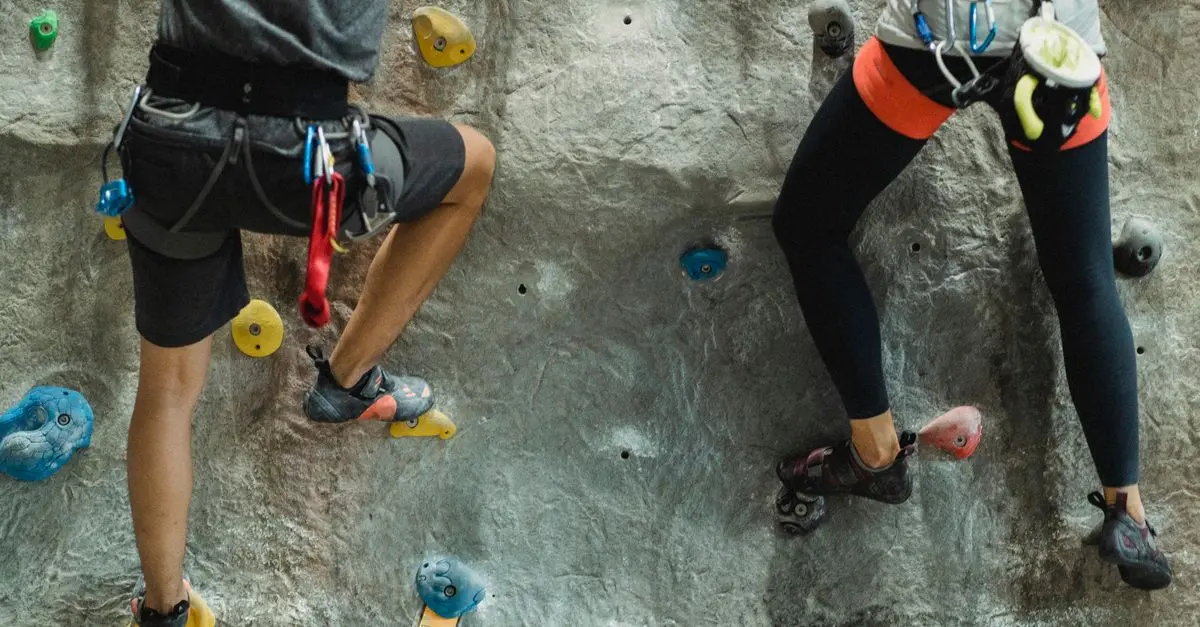
Choosing appropriate climbing gear is a vital component of indoor rock climbing success. Beginners may prefer wearing comfortable, well-fitting climbing shoes and a harness. Brands such as La Sportiva and Black Diamond are noted for their quality and durability. According to Les Numériques, climbers experience 15% fewer performance issues when equipped with the right gear. It's important to regularly check your equipment's condition to ensure safety and longevity.
3. Work on Your Grip Strength
An effective grip is paramount for success in indoor climbing. Incorporate exercises such as dead hangs and finger stretches into your routine to develop this skill. According to a study by the American Council on Exercise, increasing grip strength can enhance overall climbing ability by approximately 25%. Regularly use grip trainers and consider fingerboard practices to progressively build strength without risking injury.
4. Master Your Breathing Technique
Breathing is often an overlooked aspect of climbing, yet it plays a crucial role in maintaining composure and energy levels. Focus on slow, deep breathing patterns to optimise oxygen intake and reduce fatigue. Techniques such as 'diaphragmatic breathing' can help in managing stress and improving endurance on the wall.
5. Set Progressive Goals
Setting realistic yet challenging goals can motivate improvement in indoor rock climbing. This might involve mastering specific routes or improving speed and efficiency. Utilize a climbing journal to track progress and reassess your goals periodically. Feedback from peers and instructors can offer insights that might not be immediately apparent.
6. Learn to Fall Safely
Accepting and mastering the art of falling safely is an essential skill for climbers. Practise falls in a controlled environment under supervision to diminish the fear associated with high climbs. Understanding how to land properly can prevent injuries and promote confidence in taking on tougher routes.
7. Balancing Technique and Strength
While physical strength is advantageous, technique often outplays raw power in climbing. Focus on techniques that leverage body mechanics, such as pivoting and weight transfers, which can effectively reduce dependency on muscle power. Engage in exercises that promote agility and flexibility alongside strength training.
8. Utilise Visualization Techniques
Visualising your moves before executing them can be a powerful tool. Mental rehearsal helps in identifying potential challenges and optimising strategy on the route. Regular practice of visualisation can improve reaction times and overall confidence.
9. Engage in Cross-training
Incorporating activities such as yoga or pilates can enhance balance, flexibility, and core strength, contributing to improved performance in climbing. Engaging in cardiovascular exercises, like cycling or running, also aids in building stamina, which is beneficial for prolonged climbs.
📺 Resource Video
📺 For more insights: Essential Rock Climbing Techniques, a comprehensive analysis on climbing methods. Search on YouTube: "indoor rock climbing tutorial 2026".
Markdown Table Comparison
Here's a quick comparison of commonly used indoor climbing gear:
| Criterion | Brand A | Brand B | Brand C | Verdict |
|---|---|---|---|---|
| Durability | High | Medium | High | Brand A and C |
| Comfort | Medium | High | Medium | Brand B |
| Cost Efficiency | Medium | High | Medium | Brand B |
| Availability | High | High | Low | Brand A and B |
Begin with an induction class at a local climbing gym to learn the essential skills and safety protocols.
- How often should I practice climbing to see improvement?
Aim for at least two to three sessions per week, balancing with rest periods to allow muscle recovery.
- Is climbing more about technique or strength?
Both are important, but technique often provides more significant improvements for beginners.
- What gear is necessary for beginners in indoor climbing?
Essential gear includes climbing shoes, a harness, chalk, and access to a climbing facility.
Glossary
| Term | Definition |
|---|---|
| Holds | The grips on a climbing wall used for hands and feet placements. |
| Harness | A belt with leg loops worn by climbers for safety and support. |
| Diaphragmatic Breathing | A breathing technique that improves oxygen intake and stress relief. |
- [ ] Understand basic climbing techniques.
- [ ] Invest in appropriate climbing gear.
- [ ] Practice finger grips and strength exercises.
- [ ] Incorporate breathing strategies into your routine.
- [ ] Set and track progressive climbing goals.