Contents (15 sections)
Engaging in sports activities is not just a leisure pursuit; it's a vital component of a balanced lifestyle. The benefits of sports activities span physical, mental, and social domains, making them invaluable for individuals of all ages. In this article, we will delve into the top ten advantages of regularly participating in sports, backed by evidence and expert insights.
1. Improved Physical Health
Regular participation in sports significantly enhances physical health. Engaging in activity can reduce the risk of chronic diseases such as obesity, heart disease, and diabetes. According to the World Health Organisation, individuals who engage in sports activities at least three times a week can reduce their risk of cardiovascular diseases by up to 30%. Furthermore, sports improve musculoskeletal health, promoting stronger bones and muscles. This is essential not only for athletes but for anyone looking to maintain their physical health as they age.
2. Enhanced Mental Wellbeing
One of the greatest benefits of participating in sports is its positive effect on mental health. Physical activity triggers the release of endorphins, often termed "feel-good" hormones. These chemicals help alleviate stress and anxiety, improving overall mood. Studies indicate that individuals who engage in regular sports activities experience lower levels of depression. For instance, research published by NIMH shows that exercising for just 30 minutes a day can significantly boost mental health and resilience.


Polar Vantage V3 GPS Multisport Watch Advanced Heart Rate Monitor Offline Maps Triathlon & Running Watch
gadcet.com
3. Social Connections and Teamwork
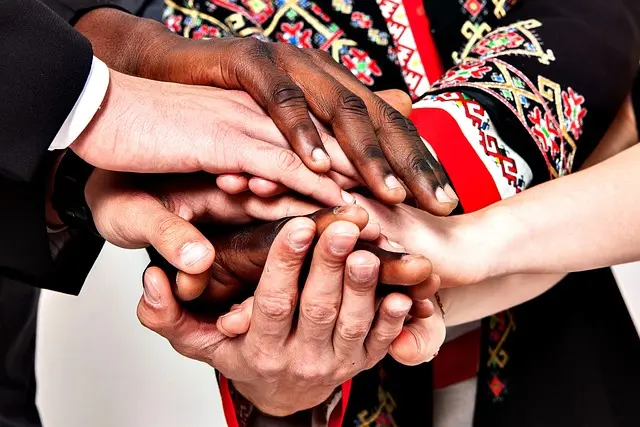
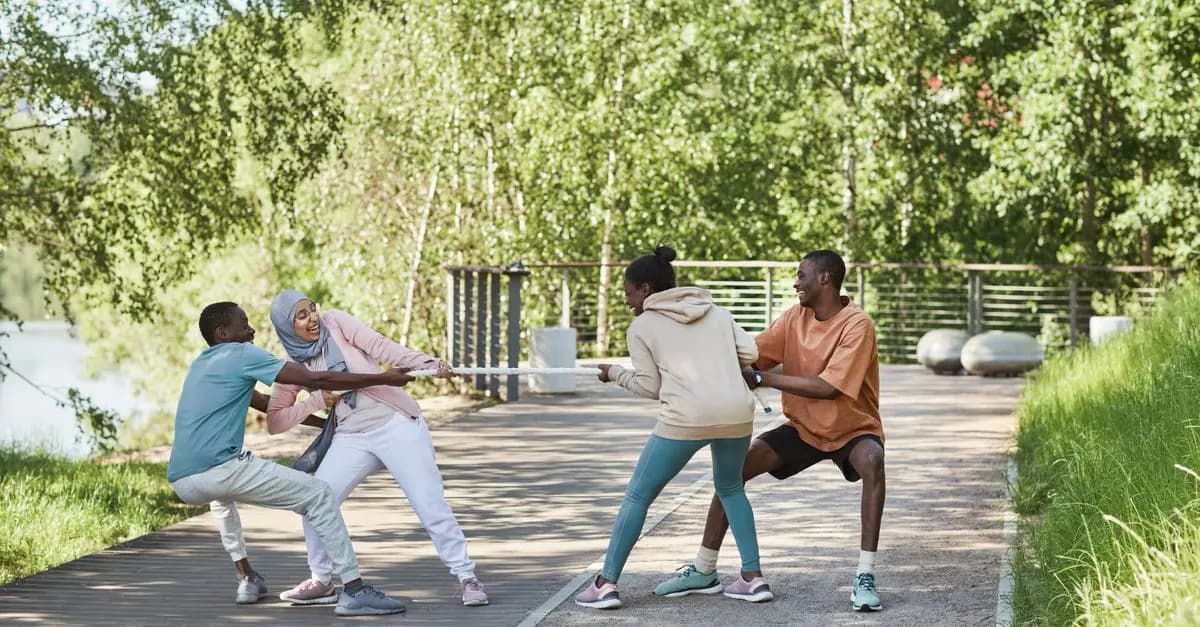
Sports activities foster social connections and encourage teamwork. When engaging in team sports, individuals learn to collaborate and communicate effectively, which are essential skills both on and off the field. Participation in clubs or teams also provides opportunities to meet new people and forge lasting friendships. For those who engage in individual sports, community events or competitions can similarly enhance social connections, proving that sports are a powerful tool for building networks and friendships.
4. Development of Discipline and Time Management
Engaging in sports requires a commitment that encourages discipline and effective time management. Athletes often have to balance training schedules with academic or professional responsibilities. This juggling act cultivates a sense of discipline that translates to other areas of life. In fact, a study conducted by APA indicated that individuals involved in sports are more likely to succeed academically and professionally due to the skills developed through rigorous training and competition.
5. Boost in Confidence and Self-Esteem
Participating in sports helps build confidence and improve self-esteem. Achieving personal goals in sports, whether it’s improving a time, winning a match, or mastering a new skill, contributes significantly to a person’s confidence levels. These boosts in self-esteem can have lasting effects, empowering individuals to take on challenges in other areas of life. Additionally, scholarships available for student-athletes can further enhance academic opportunities, as highlighted by NCAA statistics.
6. Lifelong Skills and Resilience
Sports instil valuable life skills such as resilience and adaptability. Athletes learn to cope with failures, such as losing a game, and develop the necessary skills to push through setbacks. This resilience is crucial in everyday life, enabling individuals to navigate challenges more confidently. A report from The British Journal of Sports Medicine notes that athletes often outperform non-athletes in problem-solving and critical thinking due to the challenges faced in competitive sports.
7. Exploration of Various Activities
Regularly engaging in sports exposes individuals to a variety of activities. Exploring different sports can lead to discovering a passion for a particular discipline, such as swimming, football, or cycling. This exploration not only keeps fitness routines interesting but also allows for the development of a diverse skillset. Trying new sports can lead to better physical health and enhance overall enjoyment of fitness activities.
8. Community Involvement and Volunteering
Engaging in sports often entails community involvement, whether through local teams, organised events, or charity competitions. This active participation fosters a sense of belonging and purpose within the community. Volunteering also tends to increase, with many athletes contributing their time to help coach younger players or support local events. This sense of duty not only enriches the community but also enhances the personal growth of the volunteers themselves.
9. Positive Influence on Lifestyle Choices
Involvement in sports nurtures healthier lifestyle choices. Athletes tend to be more conscious of their diet, hydration, and rest, understanding their impact on performance. This awareness often leads to improved nutrition and lifestyle habits. A study by Health Affairs showed that those who engage in sports are less likely to smoke or indulge in excessive drinking.
10. Physiological Benefits and Longevity
The physiological benefits of engaging in sports contribute to overall longevity. Regular physical activity is linked to longer life expectancy and improved quality of life as one ages. According to data from The American Journal of Public Health, individuals who engage in regular sports activities can live significantly longer compared to their sedentary counterparts.
Conclusion
Regularly engaging in sports activities provides a multitude of benefits that enhance the quality of life. From improving physical health to fostering social connections, the advantages are both profound and multifaceted. Embracing an active lifestyle can indeed change lives for the better.
Checklist before Getting Started
- [ ] Define your fitness goals.
- [ ] Explore various sports activities.
- [ ] Find a suitable club or community.
- [ ] Invest in appropriate sports gear.
- [ ] Create a balanced schedule for training.
- [ ] Monitor your progress regularly.
Glossary
| Term | Definition |
|---|---|
| Endorphins | Hormones released during exercise that alleviate pain and boost mood. |
| Resilience | The ability to recover quickly from difficulties. |
| Teamwork | Collaborative efforts of a group to achieve shared goals. |
📺 Resource Video
> 📺 For a deeper dive: Explore the transformative power of sports in enhancing life quality. Search on YouTube: "benefits of sports activities 2026".
🧠 Quick Quiz: What is one major benefit of engaging in sports?
- A) Improved physical health
- B) Increased stress levels
- C) More sedentary lifestyle
Answer: A — Engaging in sports significantly improves overall physical health!
📺 Pour aller plus loin : benefits of sports activities 2026 sur YouTube
Recommended products
Selected by our experts
Uhlsport Athletics 29 Jacket Lagoon 10-11 Years Boys,Girls
goalinn.com
This jacket is perfect for training sessions, providing comfort and performance enhancement.
Hummel Move 2.0 Short Sleeve T-shirt Grey Melange 116 cm Boys,Girls
traininn.com
This t-shirt offers style and comfort for various sports activities.
Polar Vantage V3 GPS Multisport Watch Advanced Heart Rate Monitor Offline Maps Triathlon & Running Watch
gadcet.com
The Polar Vantage V3 is designed for serious athletes, providing critical data and insights for training.