
Contents (15 sections)
Choosing the right sport activity is crucial for maintaining an active and healthy lifestyle. With myriad options available, it can be overwhelming to determine which one aligns best with your interests, goals, and lifestyle preferences. Exploring various sport activities can not only enhance your physical fitness but also enrich your life by introducing social opportunities and personal growth.
1. Identify Your Interests
The first step in choosing the right sport activity is identifying your personal interests. Engage in self-reflection to explore what you enjoy, whether it be team sports, solo activities, or outdoor adventures. For instance, if you’re drawn to competition, team sports like football or basketball might suit you well. Alternatively, if you prefer solitude, consider activities such as running or swimming. According to a study by Sport England, nearly 70% of individuals find higher motivation when participating in sports they enjoy. Therefore, take the time to think about what excites you and makes you want to continue.
2. Consider Your Fitness Goals
Your fitness objectives will significantly influence your choice. Are you looking to lose weight, build muscle, or simply improve your cardiovascular health? Each sport has specific benefits — for instance, cycling is excellent for cardiovascular endurance, while activities like weightlifting focus on strength building. Understand your goals, as they will assist you in narrowing down your options effectively. According to the American College of Sports Medicine, individuals who set specific goals are 80% more likely to stick with their chosen sport over time.
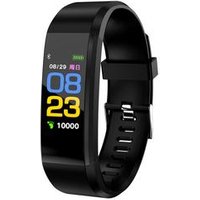
2019 Brand New Color screen heart rate monitor Sports bracelet Waterproof Fitness Activity Tracker Smart Watch 115 Plus
Alibaba UK
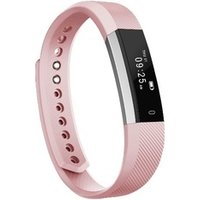
Amazon Top Selling ID115 Sport Fitness Tracker Waterproof BT 4.0 Smart Watch Bracelet Activity Tracker
Alibaba UK

HOLA Baby Toys 0-6 Months Baby Toys 6 to 12 Months Rattle Activity Ball, Baby Toys 6
onbuy.com
3. Assess Your Physical Condition
Before engaging in a sport, evaluate your current physical condition. Are you recovering from an injury or managing a chronic condition? Consulting with a healthcare professional can provide insights into what activities are safe for you. For example, low-impact activities, such as yoga or aquatic exercises, may be ideal for individuals with joint issues, whereas someone with no such constraints might opt for more intense sports. Always listen to your body and don’t push your limits too soon; gradual progression is key in sports.
4. Explore Available Options
Once you’ve established your interests, fitness goals, and physical condition, it’s time to explore available sport activities in your area. Visit local gyms, community centres, or sports clubs to see what offerings are available. Many facilities offer taster sessions for different sports, which can be instrumental in helping you make your decision. Engaging in multiple sports can also be beneficial; as you become familiar with each activity, preferences may emerge. Consider checking platforms like Active.com to find activities near you—and potentially meet new people in the process.
5. Evaluate the Time Commitment
Different sports require varying degrees of time commitment, so it’s vital to assess how much time you can realistically dedicate to your chosen activity. Some sports, like tennis, may require regular practice sessions, while others, like hiking, can be enjoyed flexibly based on your schedule. Be honest with yourself about your availability; remember that consistency is often more beneficial than intensity when it comes to achieving fitness goals.
6. Check the Social Aspect
For many, the social component of sports is just as important as the physical benefits. Consider if you wish to train alone or with others. Group activities such as group fitness classes or team sports can foster camaraderie and provide motivation. Research indicates that individuals who involve friends in their fitness journey increase their likelihood of participation by 30%. If you prefer solitude, solo activities such as jogging may be more suitable for your lifestyle. Assess what social engagement will encourage you to maintain regular participation.


7. Adaptability and Accessibility
Choose a sport that fits seamlessly into your lifestyle. This adaptability may include considering accessibility and equipment needs. For example, sports like running merely require a pair of good trainers, while others like rock climbing require significant gear both in terms of cost and access to climbing facilities. Opt for activities that are not only enjoyable but also feasible given the resources you have.
8. Seek Professional Guidance
Once you’ve narrowed down your options, seeking guidance from professionals in the field can further enhance your experience. For many, a coach or instructor can provide structure, teach proper techniques, and help you set appropriate goals. Many local sports clubs have qualified coaches who are willing to assist beginners, ensuring a smoother introduction into the sport. According to feedback from users, a supportive instructor can significantly elevate your learning curve.
9. Monitor Your Progress
After embarking on your sporting journey, it’s vital to monitor your progress. Many fitness trackers offer insights into your performance, helping you stay committed to your goals. Track metrics such as distance, time, or calories burned to see what works best for you. This data can motivate you to push further or make necessary adjustments in your regimen. Several studies indicate that self-monitoring can lead to improved adherence in physical activity.
10. Enjoy the Journey
Finally, remember to enjoy the journey. Sport should be a source of fun, not solely a method to achieve goals. Engage with the community, celebrate your improvements, and approach each activity with a positive mindset. Embracing a healthy relationship with sports can lead to lasting lifestyle changes and establish a more active lifestyle.
Checklist before choosing a sport activity
- [ ] Identify personal interests
- [ ] Assess fitness goals
- [ ] Evaluate current physical condition
- [ ] Explore available options locally
- [ ] Determine time commitment
- [ ] Consider the social aspect
- [ ] Judge adaptability and accessibility
- [ ] Seek professional guidance if needed
- [ ] Monitor progress regularly
- [ ] Ensure enjoyment in the process
✅ Summary
Choosing the right sport activity involves identifying your interests, evaluating your fitness goals, and assessing your current physical condition. With the right considerations, you can find an activity that not only keeps you fit but also brings joy.
Glossary
| Terme | Définition |
|---|
| Cardiovascular Fitness | La capacité de votre cœur et de vos poumons à fournir de l'oxygène à vos muscles pendant l'exercice.
| Low-Impact Activity | Des exercices qui mettent moins de stress sur les articulations, tels que la natation ou le yoga.
| Progression | L'acte d'augmenter la difficulté de vos exercices pour continuer à progresser sans se blesser.
📺 Ressource Vidéo
> 📺 Pour aller plus loin : Choosing the Right Sport for You, une analyse complète de la sélection d'activités sportives. Recherchez sur YouTube : how to choose the right sport activity 2026.
📺 Pour aller plus loin : how to choose the right sport activity 2026 sur YouTube
Recommended products
Selected by our experts

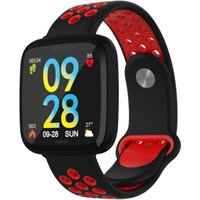
Smartwatch with All-Day Heart Rate and Activity Tracking, Sleep Monitoring, GPS, Ultra-Long Battery Life, Bluetooth
Alibaba UK
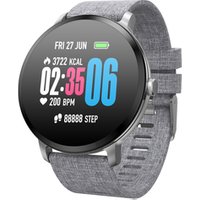
Round shape V11 Heart rate Blood Pressure weather forecast Activity Fitness tracker bluetooth bracelet watch smartwatch relogio
Alibaba UK

ce rohs smart bracelet sports wear bluetooth FITNESS band activity tracker sport smartwatch bluetooth m4 smart bracelet
Alibaba UK
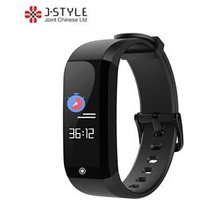
Fitness Tracker IP68 Water-Resistant Smart Sport Bracelet Heart Rate Monitor Sleep Step Counter Intelligent Activity Tracker
Alibaba UK
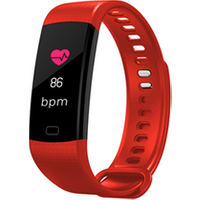
2019 Amazon Best selling Smart bracelet Y5 Kids Smart band Activity Tracker
Alibaba UK