Contents (11 sections)
Start training effectively for your first triathlon with this comprehensive guide. Learn each step, from preparation to achieving your goal on race day.
Understanding the Basics
Before you dive headfirst into training, it's crucial to understand what a triathlon entails. Consisting of swimming, cycling, and running, it challenges multiple facets of your physical fitness. According to British Triathlon, selecting the right race distance—be it sprint, Olympic, half-iron, or full iron—is essential for beginners. Begin by evaluating your own skills in each discipline.
Creating Your Training Plan
Designing an effective training plan is the first step in your journey. Start with a balanced routine, allocating time for each discipline based on your strengths and weaknesses. As recommended by UK Athletics, a novice should aim to train up to six times a week, allowing at least one rest day. Stay adaptable, adjusting the plan based on your progress and physical feedback.
Building Endurance
Endurance is the cornerstone of triathlon success. Incorporate longer sessions for swimming, cycling, and running. Running Magazine suggests gradually increasing distance while maintaining a conversational pace. Focus on quality over quantity. Avoid common pitfalls like overtraining, which can lead to burnout or injury.
Incorporating Strength and Flexibility
Strength and flexibility training shouldn't be overlooked. Enhancing core strength aids overall stability, while flexibility prevents injuries. According to Triathlete Magazine, integrating yoga or Pilates sessions at least twice a week is beneficial. This approach not only supports your triathlon training but improves overall body function.
Importance of Nutrition and Hydration
Fueling your body efficiently improves performance and recovery. Embrace a diet rich in complex carbohydrates, lean proteins, and healthy fats. British Nutrition Foundation highlights the need for proper hydration, especially during long training sessions. Creating a meal plan that aligns with your energy requirements is key to triathlon success.
Gear and Equipment
Selecting the right gear can enhance your training experience. For novices, investing in quality essentials like a wetsuit, road bike, and running shoes is vital. TriUK warns against overspending on advanced gadgets without mastering basics. Comfort, durability, and personal preference should guide your choices.
Mental Preparation
Equally important as physical training, mental readiness empowers you to tackle unexpected challenges. Techniques such as visualisation and mindfulness meditation, endorsed by sports psychologists, fortify mental resilience. Focusing on these strategies helps competitors manage stress and maintain focus during races.
📺 Resource Video
📺 For Further Learning: Confidently Train for Your First Triathlon, a comprehensive analysis of preparation techniques, can be searched on YouTube: "triathlon training for beginners 2026".
Checklist Before Race Day
- [ ] Confirm race registration and travel arrangements
- [ ] Assemble all required gear and discard non-essentials
- [ ] Double-check nutrition plan for race day
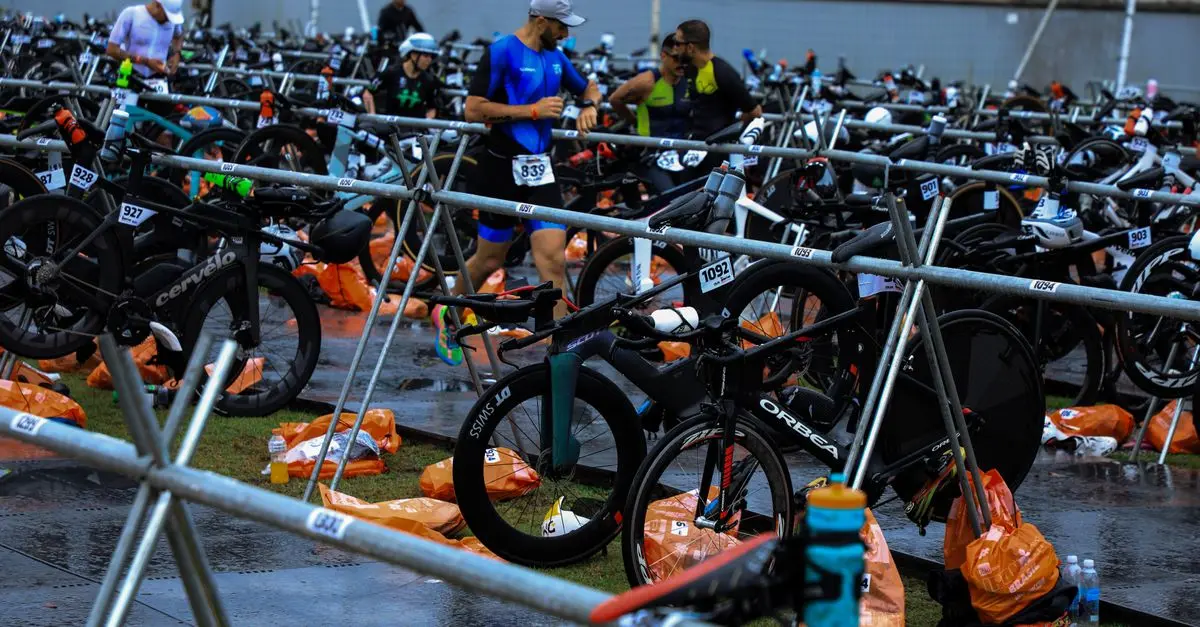
- [ ] Practice transition sequences to improve efficiency
- [ ] Rest well and mentally rehearse your race strategy
Glossary
| Term | Definition |
|---|---|
| Brick | Training two disciplines back-to-back, simulating transitions |
| Tapering | Reducing training volume before a race to optimise performance |
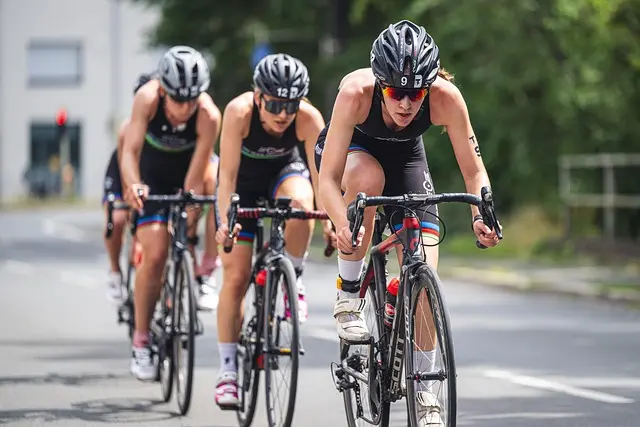
| Drafting | Riding close behind another cyclist to reduce air resistance |