Contents (9 sections)
Immersive Tech in Adventure Sports
The integration of immersive technology is reshaping the landscape of adventure sports in 2026. Utilising tools like VR headsets and haptic feedback devices, sports enthusiasts can now experience heightened realities. A prime example is how mountain biking has evolved—enthusiasts can simulate riding on diverse terrains from the safety of their living rooms. According to Statista, the market for VR in sports is expected to grow by 30% annually, indicating a significant shift.
However, it's not just about a simulated experience. The data these technologies collect allow for enhanced training regimes, tailored to individual capabilities. This customisation leads to improved performance and can prevent injuries. For instance, information gathered during VR sessions can illustrate a person's balance and reaction times, offering critical insights.
💡 Avis d'expert: "The impact of VR in sports is akin to adding another dimension to training," states Dr. Lucas Emmanuel, a sports technologist. "By simulating terrain specifics, enthusiasts gain real-time insight into their performance metrics."
Sustainable Sports Practices
Sustainability remains a critical trend in adventure sports, focusing on environmental protection while pursuing adrenaline-pumping activities. Major brands aim to achieve carbon neutrality by incorporating eco-friendly materials into their products. According to UFC-Que Choisir, there's a growing demand for gear produced with minimal environmental impact, such as bamboo skateboards and recycled wetsuits.
Moreover, educational programmes emphasise preserving natural terrains, encouraging enthusiasts to leave environments as they found them. This shift aligns with the global push towards responsible outdoor activities. Participating in these eco-conscious sports not only supports the planet but also attracts a community of like-minded individuals, enriching the cultural aspect of sporting events.
Personalised Adventure Experiences
Adventure sports are increasingly embracing the concept of personalisation, aiming to deliver unique experiences to participants. With access to a plethora of data, organisers create bespoke adventures tailored to individual preferences, skill levels, and enjoyment factors. It's not merely about participation anymore; it's about crafting a singular experience.
For instance, companies like Nike Adventure Club offer subscriptions that curate gear and experiences based on user feedback. Personalisation extends to digital apps guiding adventurers through personalised itineraries and checklists, ensuring nothing disrupts their adrenaline journey.
🧠 Quiz rapide: What is the main advantage of personalised adventure experiences?
- A) Reduced costs
- B) Tailored adventures that match preferences
- C) Higher resource consumption
Réponse : B — Tailored adventures ensure more satisfaction and enjoyment.
Virtual Reality and Augmented Reality
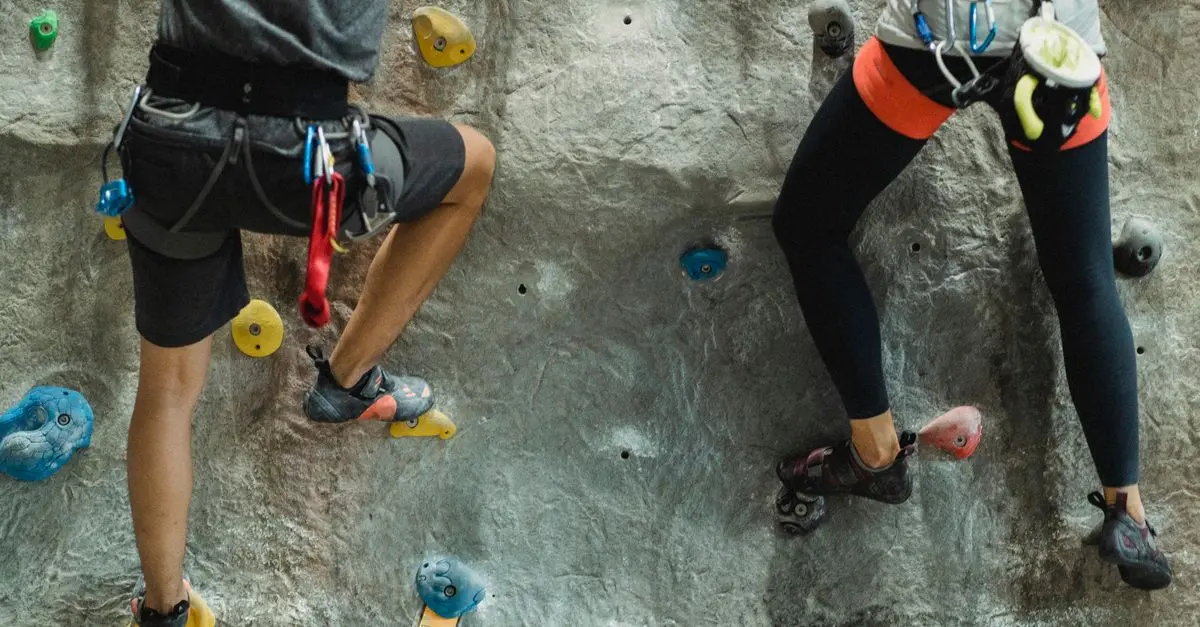
The harnessing of Virtual Reality (VR) and Augmented Reality (AR) in adventure sports has transformed training and event participation. VR offers complete immersion, allowing enthusiasts to prepare for climbs or diving without leaving their homes. Meanwhile, AR enhances real-world experiences—overlaying digital information to guide climbers visually.
A study by INSEE notes AR's integration in sports has improved safety outcomes by approximately 25% through informative overlays. We predict more developments in AR to enhance safety protocols and participant readiness, ensuring both security and thrill.
Data-Driven Training Methods
Adventurers are turning to data analytics to refine their skills. Wearable technology measures heart rates, speeds, and more, which are crucial for crafting precise training schedules. Products like those from Garmin, include real-time analytics, aiding athletes in pushing limits safely.
Data-driven approaches support goal achievement by clarifying strengths and weaknesses. As more sports adopt these technologies, expect a surge in precision training, making adventure sports more accessible and safer for newcomers.
📺 Ressource Vidéo
📺 Pour aller plus loin : "How Technology is Revolutionising Adventure Sports", a detailed analysis of technological impacts. Recherchez sur YouTube : "future of technology in adventure sports 2026".
Glossary
| Terme | Définition |
|---|---|
| Immersive Technology | Tools like VR/AR that enhance user engagement by providing synthetic environments. |
| Carbon Neutrality | A state where the net carbon emissions are zero due to reduction efforts and offsetting investments. |
| Wearable Technology | Devices worn on the body that collect data and provide connectivity and analysis. |
- [ ] Explore immersive tech options relevant to your sport.
- [ ] Choose sustainable gear for eco-friendly practices.
- [ ] Select technologies that personalise your adventure.
- [ ] Analyse data from wearables for improvement.
- [ ] Ensure access to reliable AR guides for safety.